

Editor's Note: This essay is a personal account of living with Premenstrual Dysphoric Disorder (PMDD) and contains discussions of suicidal thoughts, psychosis, psychiatric hospitalization, and suicide. While these experiences are difficult to read, this story is shared to raise awareness of PMDD, reduce stigma, and offer hope to others who may be struggling.
I am a survivor of Premenstrual Dysphoric Disorder. I was formally diagnosed by my gynecologist in 2021 after giving birth in 2020. Looking back, I can see that I had always struggled with hormone-related issues. In the early '90s, long before PMDD was listed in the DSM-5, my pediatrician prescribed hormone-based birth control and put me on an SSRI.
I wish I could say I was diagnosed, treated, and lived happily ever after, but that's not my story. After my diagnosis, my gynecologist recommended inserting a hormonal IUD and asked me to give the treatment one year to work. I told her I felt like throwing myself out of her third-story office window.
Six months later, I moved to a different state, far from my family, friends, and diagnosing doctor. That's when "Hell Week," as my husband called it, became much more intense. I would swing from happy to angry to completely mute in a single conversation. My cravings for food swung wildly out of control. My thoughts turned harshly critical—I constantly scrutinized everything people said and always felt judged. Some months, I went five out of ten days without sleep. The insomnia created fear even during my good weeks. My body ached constantly, and my nervous system took a beating.
At work, I lived in survival mode, rushing to get as far ahead as possible before the ten days of brain fog, memory loss, and extreme irritability hit. My auditory system became so sensitive that every sound felt like nails on a chalkboard.
I could feel myself spiraling. The month before I hit the one-year mark with the IUD, I experienced my first episode of premenstrual psychosis. I immediately lost my job.
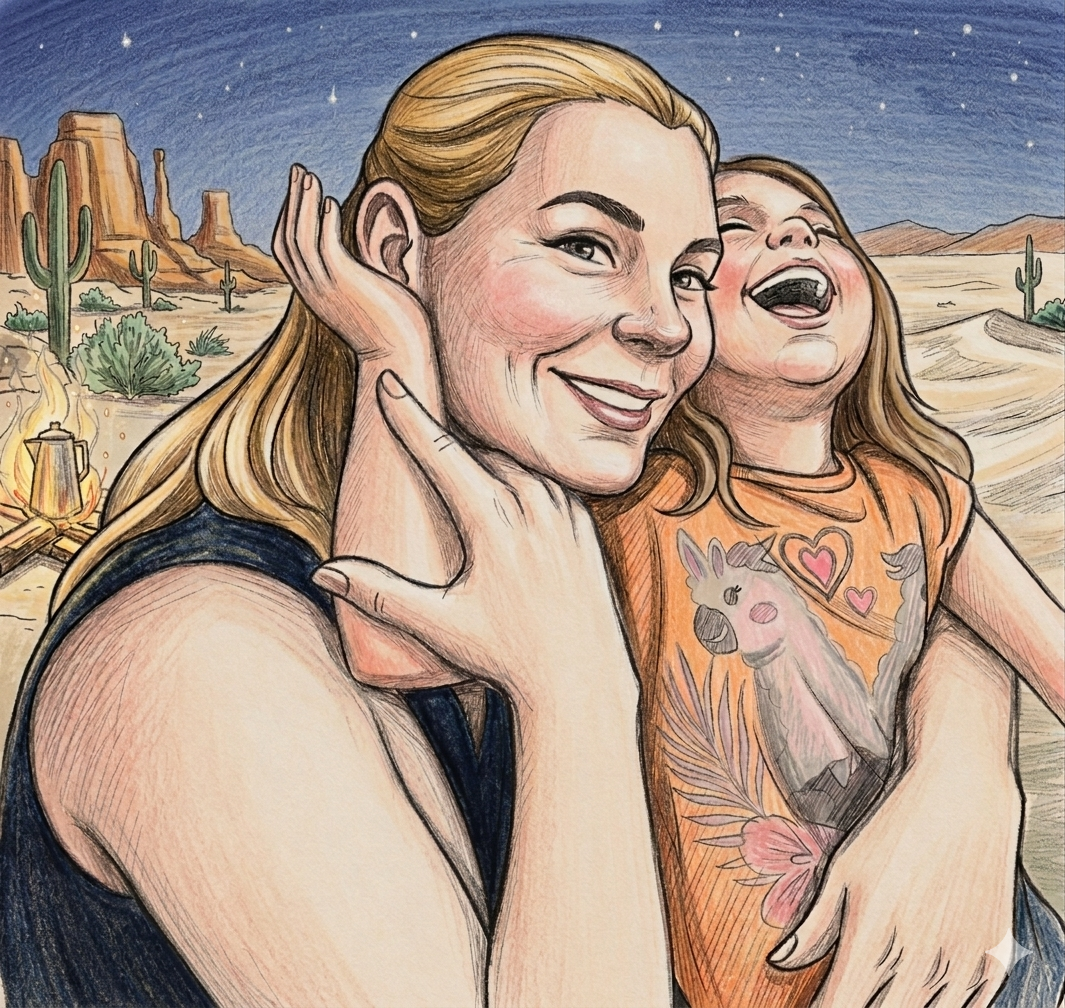
The following month, I went to my first hospital in my new state and explained what was happening and that I had PMDD. They dismissed me after confirming I had full cognitive function. The next month, I was admitted to a different hospital. They released me while I was still in full psychosis without my husband present. I walked out barefoot into the scorching desert heat and became a missing person. At one point, I was asked to leave a property at gunpoint. Thankfully, I was eventually found and returned home.
It wasn't until the third month of premenstrual psychosis that I was admitted to my first psychiatric facility. I tried to explain to the doctors what was happening and why, but they told me I was wrong and that I had something else. They prescribed medication that did nothing, then stronger medication, and simply waited for my luteal phase to pass before releasing me.
The fourth month, I was removed from my home at my husband's request and taken to another mental institution. The same cycle repeated. This time, I found myself on Zoom in front of a judge who told me that because I had been diagnosed with a serious mental illness and had multiple psychiatric admissions, I needed to sign over my Second Amendment rights to be released. It didn't bother me much since my dad had died by suicide when I was 27.
Since I had not shared my diagnosis with anyone other than my husband, it took time for my family to fully understand what was happening. It was decided that I should return to my original state and the doctor who first diagnosed me.
Right after I arrived, I called to make an appointment, but it was scheduled after my next luteal phase. Knowing I couldn't safely wait, I checked myself into another mental health facility for protection. During that admission, I started lactating from one breast and learned my adrenal glands were working overtime. The hospital tried full sedation, but the hormone-driven episodes continued. On day seven, they called my family, saying I was ready to leave, but my family refused to pick me up. They knew the cycle wasn't truly over.
Closer to my appointment and the end of my cycle, they finally came to get me. The day I saw my original doctor, I was exhausted. I told her everything I had been through. She listened carefully, then explained that she no longer performed the surgery I needed. Instead, she gave me a card for a gynecologic oncologist two floors up.
I remember standing in the elevator thinking, "I'm going to die, and I can't stop my body from making me kill myself." When I reached the new office, the lady at the front desk stopped me mid-sentence, grabbed my hand, and told me to hold on. She got me the earliest possible appointment.
Within a week, I was sitting in front of a new doctor, telling her my full story and exactly how many days I had left before psychosis would hit again. For the first time, a doctor took my condition completely seriously. I was put on her surgical schedule 72 hours later. After getting clearance from a primary care doctor, I underwent a robotic total hysterectomy with bilateral salpingo-oophorectomy since my mom has cancer.
That doctor told me ahead of time that surgery would not solve everything and that I was going to have to do a lot of work afterward as well. I didn't understand at the time, but she was right.
The same month as my surgery, I prepared, like always, to lose my mind, but nothing happened. Not even a tiny symptom of PMDD. I was no longer trapped inside a body that would betray me month after month. She did mean what she said about doing a lot of work after surgery. That I found out later.
The guilt and shame were still there. I still didn't understand why my body hated me and betrayed me. My mind still ran through things that happened, things that were said, mistakes I made, and time I missed or couldn't remember. The body remembers, too. The tension before the luteal cycle, the stress of having everything completed, and random bouts of anxiety that would occur during the month.
I've been so lucky to find a team of mental health specialists who have provided excellent aftercare and have walked this journey of recovery after surgery side by side with me, building a solid foundation of self-forgiveness, nervous system regulation, and damage control from all the medication prescribed month after month.
Today, I'm grateful to be alive. I still have my family, and I've rebuilt my career. Many women with PMDD are not as fortunate, which is exactly why I share my story. Whenever I have the chance, I speak up in the hope that it will help another woman.
Written by: Michelle Siemiatkowski
Edited by: Mandy Shea
